


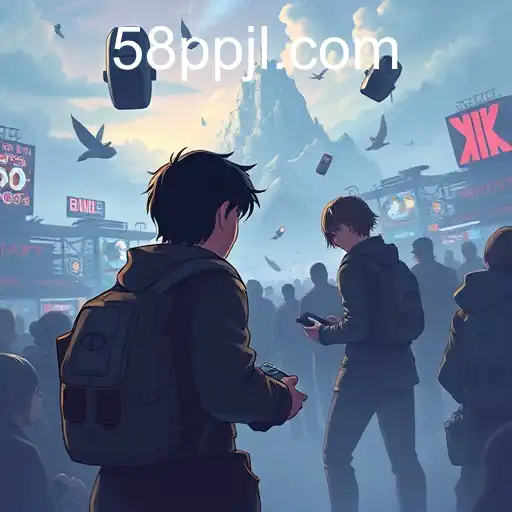
Exploring the impact of the 58pp trend in the gaming world and its implications.
As the gaming industry continues to evolve, one trend that has captivated the attention of gamers and developers alike is the rise of '58pp', a strategy that has garnered substantial interest in gaming circles. This approach, characterized by its unique gameplay mechanics and community engagement, has quickly become a significant focus for gaming enthusiasts worldwide.
The origins of the 58pp trend can be traced back to innovative game design that prioritizes player personalization and adaptability. Unlike traditional gaming methods, 58pp encourages players to participate in the narrative development actively. This style has not only revolutionized how games are played but has also inaugurated an era where players' decisions dramatically shape their in-game worlds.
Recent reports highlight how gaming companies are investing heavily in technologies that facilitate 58pp methodologies. With advancements in AI and machine learning, developers can now craft interactive experiences that adapt in real-time to players' preferences and actions. This dynamic characteristic is what sets 58pp apart in the current gaming landscape, making it a go-to choice for new and seasoned gamers.
Industry experts suggest that the momentum behind 58pp is only set to increase. Companies are not only focusing on enhancing game graphics or user interfaces but are deeply investing in creating robust systems that understand and predict player behavior. This shift has seen gaming transform from a predominantly solitary activity to an engaging, interactive, community-driven experience.
The implications of 58pp are not limited to just the gaming industry. As more businesses explore gamification as a tool for customer engagement, the principles behind 58pp offer valuable insights. Brands can learn from the way games tailor experiences to maintain user interest and build loyalty, translating these strategies into their customer interaction models.
In summary, 58pp is not just a fleeting trend but a transformative force in gaming. Its focus on personalization and continuous interaction is reshaping expectations and setting new standards in the industry. As the year progresses, it will be interesting to see how this trend evolves and influences both gaming and other areas of technology and entertainment.

